Pat Taub
“Grief is the price you pay for love.” Amy Bloom
When I was young funeral attendance was largely confined to grandparents and ancient uncles and aunts. As an elder, funerals and memorial services routinely fill my calendar. In spite of death’s regularity, I remain awkward around a grief-stricken friend or relative.
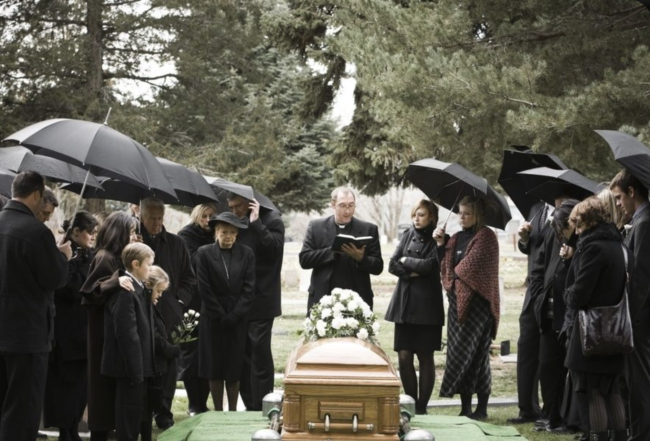
My discomfort is a reflection of what Canadian death educator, Stephen Jenkinson, refers to as “grief illiteracy” in our “death phobic” society. He advocates treating grief as a companion, where it’s a pathway to deeper connections with the cycles of life and death.
Quoting Jenkinson, “By acknowledging grief as a natural and ongoing element of life, we can begin to see it not as something to fear but as something that enriches our understanding of what it means to be alive . . . Grief is your companion, not an adversary.”
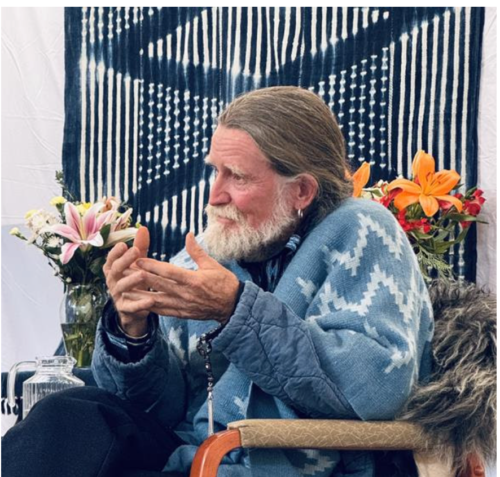
Jenkinson lecturing, 2026
I resonate with Jenkinson’s reference to grief as enriching our lives. I frequently revisit memories of my deceased mother and dear friends, conversing with them, evoking treasured memories, soliciting their wisdom, or sending prayers of gratitude.
Jenkinson’s thinking runs counter to the prevailing cultural view pressuring the griever to bounce back quickly. Like death, grief is a taboo topic.
Anne Lamott echoes Jenkinson, when she refers to the pressure to overcome grief quickly as “the great palace lie.”
The culturally approved message for supporting the grieving person is superficial, usually confined to sending flowers or a sympathy card.
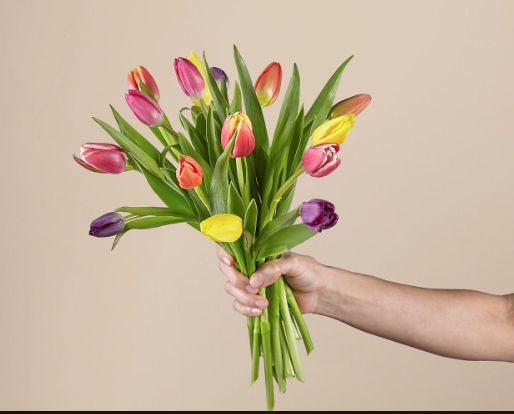
Sending flowers to the bereaved is fine, but don’t stop there
In a modest attempt to fill this void, I’m offering suggestions beyond cards and flowers that have allowed me meaningful connections with the bereaved.
Lesson #1: Be present and listen without offering unsolicited advice. When my cousin lost her husband to a sudden death, she was beside herself. For months on end, she sobbed hysterically about how her life had lost all meaning. Concerned that she was becoming clinically depressed, I recommended a grief counselor, describing how much I benefited from one. She resisted, reminding me everyone has their own timetable.
If you live close to the bereaved, offer to help with the housekeeping: sort through paperwork for survivor’s benefits, buy groceries, walk the dog, vacuum, anything that will ease the mourner’s daily chores during a time when addressing routine activities can feel overwhelming. During these visits gently solicit their feelings so your visit isn’t limited to concrete assistance.
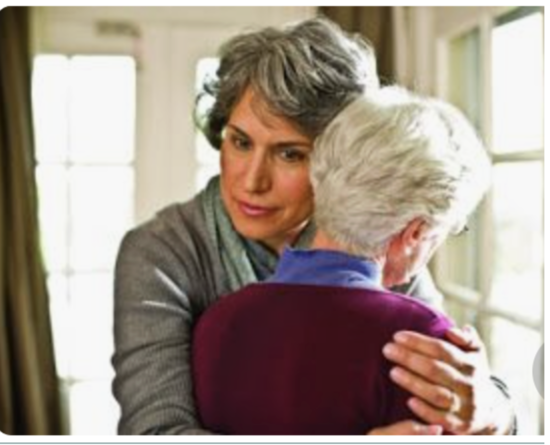
Hugs offer tender acts of connection to the bereaved
Stay connected over time rather than dropping off after the funeral. Try to be there for all the hard “firsts” that accompany a death: the first birthday, Thanksgiving, anniversary, Christmas, or other religious holidays. Instead of ordering flowers at the first announcement of death, when the bereaved are often in flower overload, send a bouquet on an anniversary. Following Jenkinson’s advice, recognize grief is not limited to the first year, treat it as ongoing.
Don’t use phrases that make assumptions about the griever, like, “I know just how you feel,” or “It was his time.” You don’t know how the other feels because everyone experiences loss in their own way. No one is ready for a loss even when a terminal disease signals the end. Saying it was “his time” is far from helpful. It sounds dismissive.
Bring smiles by recalling warm, funny stories about the deceased. Share fond memories of how the deceased enriched your life.
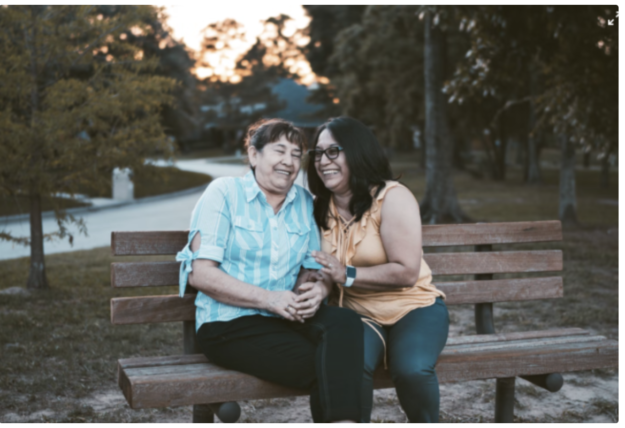
Exchanging humorous stories about the departed can be healing
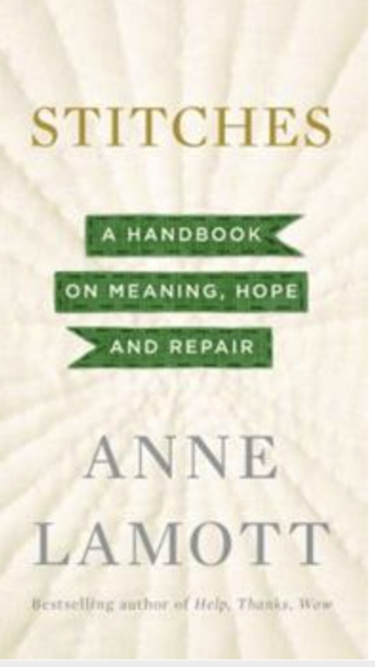
Ask permission to send a book about healing from death. I love to give Anne Lamott’s Stitches. Here’s a passage many have found helpful:
You will lose someone you can’t live without, and your heart will be badly broken, and the bad news is that you never completely get over the loss of your beloved.
They live forever in your broken heart that doesn’t seal back up. And you come through. It’s like having a broken leg that never heals perfectly—that still hurts when the weather gets cold, but you learn to dance with the limp.