 Pat Taub
Coming home to yourself means using your voice to express what matters to you, being authentic and not suppressing your feelings.
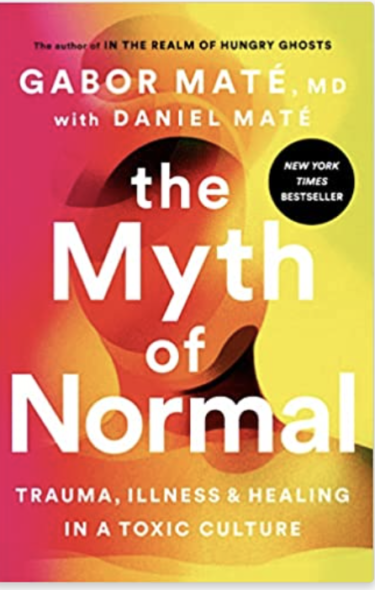
In “The Myth of Normal,” noted Canadian psychiatrist, Gabor Mate, contends that nice women, who sacrifice their own needs caring for others, frequently develop autoimmune diseases. In other words, your health is at risk if you’re living an inauthentic life by silencing yourself.
I’m often surprised by women who function admirably in the workplace, speaking up, yet stifling their voices in their intimate relationships. They yield to their partner and family members to avoid conflict, forfeiting their own needs. When you consider that since the beginning of time, women have been conditioned to keep the peace and put others first, it makes sense.

A good example of a successful professional women who didn’t use her voice with her husband was the subject of a recent New York Times, “Modern Love,” column written by couples’ therapist, Tonya Lester, who wanted their family to have a dog, but, when her husband objected, she shut down.
With their communication at a standstill, Lester’s husband suggested couples counseling, Lester was startled to have their therapist speak to her the way she often talked to couples in her office: You’re silencing yourself. You’re creating the distance between you. You need to take emotional risks, open up and tolerate conflict. You aren’t saving the relationship by staying quiet; you’re destroying it.”

When you find your voice, you experience emotional freedom, a weight is lifted from your shoulders. I’ve been there, holding back with a partner, afraid I would lose the relationship if I spoke out. When I overcame my fears and spoke out, the relationship deepened and I felt freer.
A recent cultural phenomenon, “Gray Divorces,” refers to the rise in divorce among older couples in long term marriages. When I talked to women who initiated divorce after decades of marriage, they all said, they had felt hemmed in, at the mercy of unhappy husbands, who didn’t want to grow with them. These women found their voices, divorced their husbands, and are now living authentically.

A middle-aged woman contemplating a gray divorce
If you’re reluctant to speak out, ask yourself, “What am I afraid of?” and “Are there particular people who intimidate me, silencing me?” “Why am I giving them so much power?”
Speaking your truth is done in the interest of self-care and self-love. Using your authentic voice doesn’t mean you speak hurtfully. It means you speak your truth respectfully without going on the attack. It means using “I statements,” taking responsibility for your feelings, rather than blaming the other.
For inspiration, hold onto the closing words of Mary Oliver’s “The Journey:”
“As you strode deeper and deeper
Into the world,
Determined to do
The only thing you could do‚
Determined to save
The only life you could save. “
