Pat Taub
By PAT TAUB and LISA SAVAGE
Aging with a loved one can tap into joys, strengths and the benefits, but also health changes, family tensions, and potentially devastating financial challenges.

Consider this scenario:
Friends of friends are wrestling with how best to care for a beloved family member who’s suffered a stroke. The condition is changing rapidly. The full-time caregiver is distraught: decisions about the patient are out of her hands as family members have decided that the necessary step is nursing home care.
Control has shifted from the volunteer caregiver to the patient’s family. Would a later in life marriage have prevented some of this conflict and disruptions? Since, in fact, the caregiver was a former partner to the patient, such a choice doesn’t seem too much of a stretch.
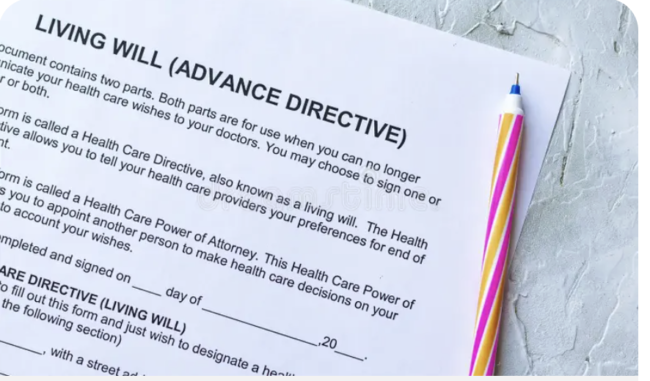
The single essential for an individual’s well-being, regardless of age and marital status, is the presence of an Advanced Health Care Directive (AHCD or ACD), often called a living will. It codifies in detail one’s wishes about health care, and identifies agents who accept responsibility for implementing those wishes –immediately, or at a time, designated by the individual when she/he is no longer capable of making decisions about management and interventions, both while living and after death. AHCD’s are easy to obtain and complete. One’s physician(s) will have witnessed copies. An AHCD is different from an DNR (Do Not Resuscitate). Both can be changed at any time.
A DNR order informs health care providers not to perform cardiopulmonary resuscitation (CPR) if a person’s heart stops beating or if they stop breathing. However, it does not mean that all treatments are withheld. Patients with a DNR order still receive standard medical care, including pain management, medications, and other interventions as needed. Without a DNR order, medical staff will attempt every medical effort to restore breathing and the normal rhythm of your heart. Individuals and their families who chose a DNR don’t wish to prolong their life when hope for a full recovery is small, born out by statistics.

Neither a AHDC or DNR addresses financial concerns, agreements or related issues. One’s AHCD agents may be family members or designated adults. Financial concerns that don’t necessarily come up for younger people can arise when two seniors decide to marry. In the case of couples with limited assets, choices may be less complicated, even in the face of an accident or debilitating illness. Medicare will cover most, if not all medical expenses, and a long period for recovery in a skilled nursing facility, while the social issues and patient support challenges remain.
Still, for the couple and their family and loved ones, pensions, social security, tax burdens and estate taxes must be reviewed.
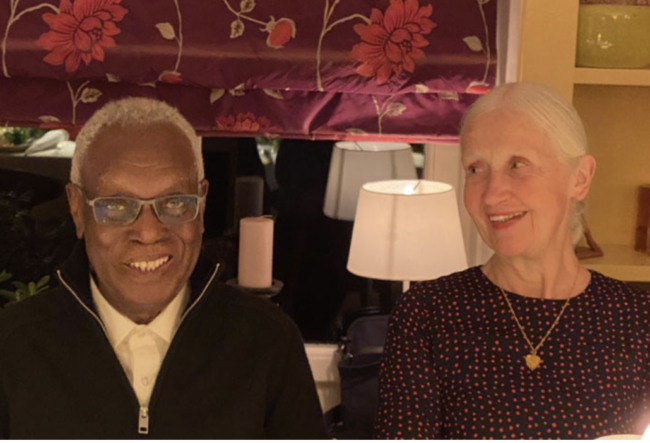
Married for 57 years, both have an AHCD and DNR
How will each person be affected by the decisions that are being made?
Beyond the benefits offered by Medicare, ongoing custodial care presents problems. Medicaid, which varies from state to state can help depending on the patient’s assets and how they’re distributed. It’s not inevitable that both partners will lose all their assets before Medicaid eligibility. For example, resources may be preferred by conserving them from “countable” to “exempt,” e.g., home renovations, payment of debt. Also, some states consider whether countable assets are jointly or individually owned.

Couple reviewing their finances
The decision to marry or live together late in life will happen to many people for many powerful reasons, not the least of which may be love, romance, adventure, and lasting companionship. As we consider these choices, the staggering costs of medical care and long term care, and the insurance available will play a role. Financial advisors, and lawyers with expertise in senior well-being can be valuable resources, before and after “tying the knot.”